PINCKNEY ISLAND NATIONAL WILDLIFE REFUGE
Pinckney Island NWR, established December 4, 1975, was once included in the plantation of Major General Charles Cotesworth Pinckney, a prominent lawyer active in South Carolina politics from 1801 to 1815. Few traces of the island's plantation in the 1800's exist today. From 1937 to 1975, when it was donated to the Fish and Wildlife Service, Pinckney Island was privately owned and managed as a game preserve.
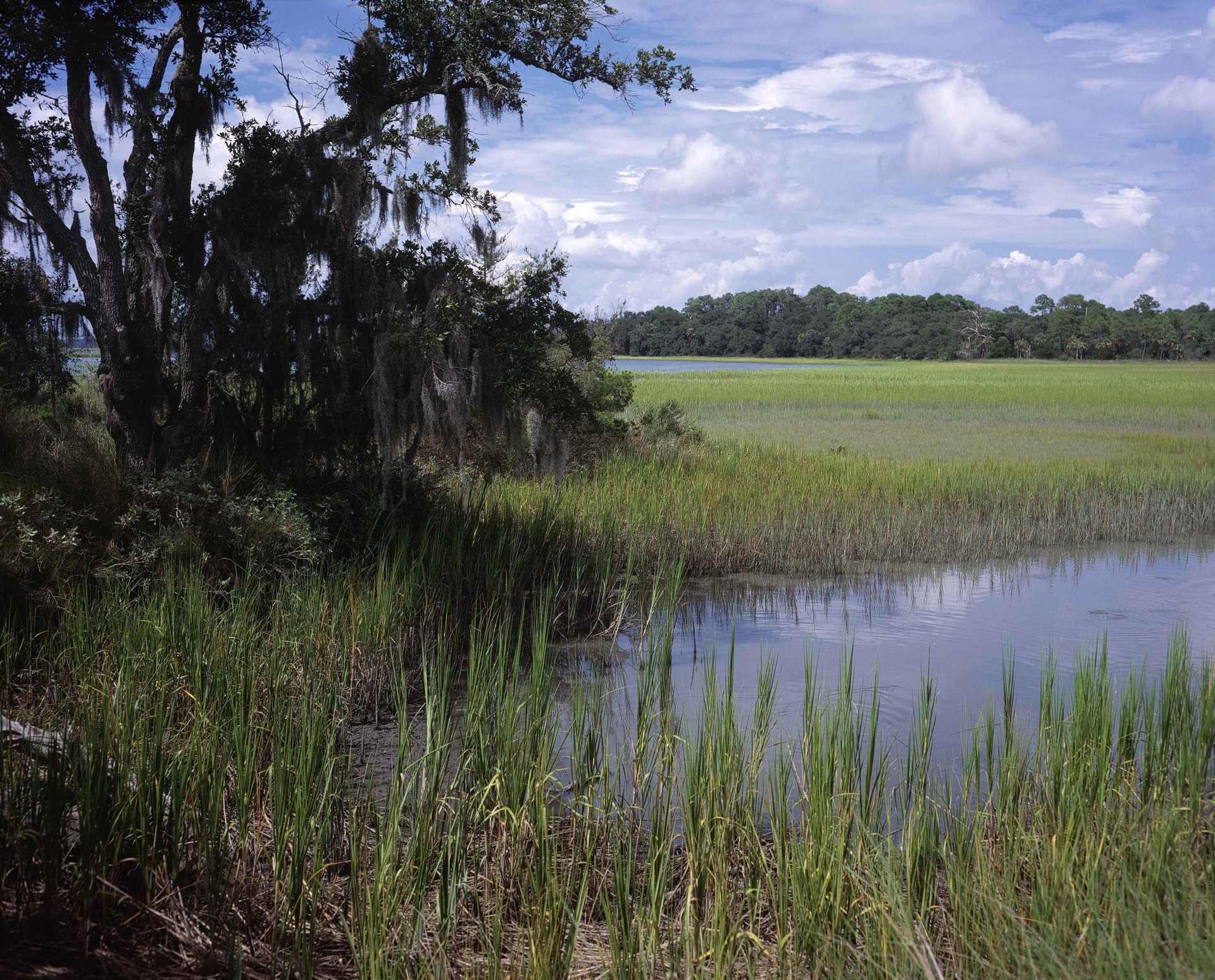
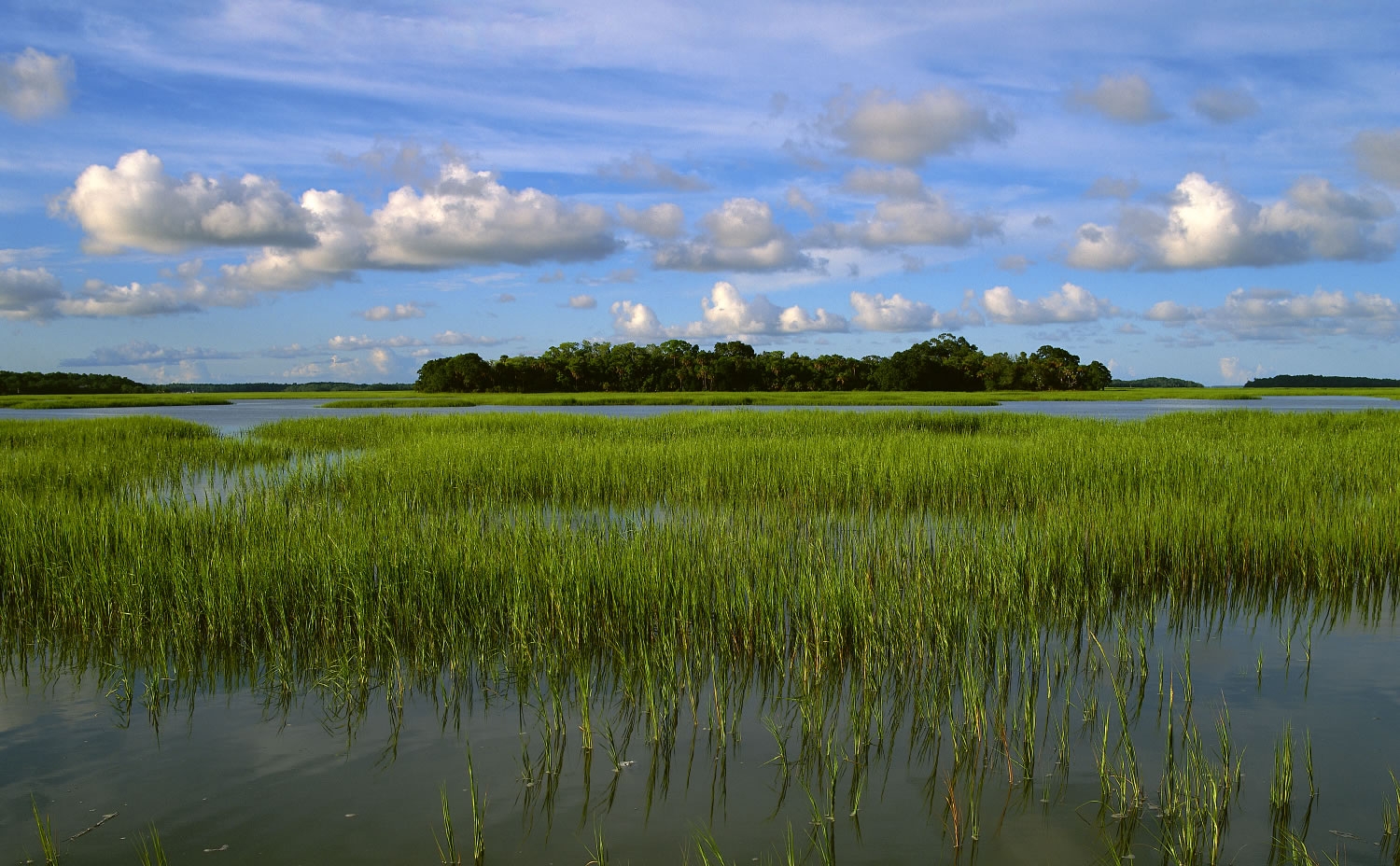
The 4,053 acre refuge includes Pinckney Island, Corn Island, Big and Little Harry Islands, Buzzard Island and numerous small hammocks. Pinckney is the largest of the islands and the only one open to public use. Nearly 67 of the refuge consists of salt marsh and tidal creeks. A wide variety of land types are found on Pinckney Island alone salt marsh, forestland, brushland, fallow field and freshwater ponds. In combination, these habitats support a diversity of bird and plant life. Wildlife commonly observed on Pinckney Island include waterfowl, shorebirds, wading birds, raptors, neo-tropical migrants, white-tailed deer and American alligators, with large concentrations of white ibis, herons, and egrets.
Search Vrbo - Booking.com - Expedia
In addition to the conservation of wildlife and habitat, the Refuge System offers a wide variety of quality fishing opportunities. Fishing programs promote understanding and appreciation of natural resources and their management on all lands and waters in the Refuge System. Every year, about 7 million anglers visit national wildlife refuges, where knowledgeable staff and thousands of volunteers help them have a wonderful fishing experience.
At Pinckney Island NWR, saltwater fishing is permitted year-round in the estuarine waters adjacent to the refuge freshwater fishing in refuge ponds is not allowed. The C.C. Haig Landing, located on the south-end of Pinckney Island enter off of U.S. 278, directly opposite the refuge entrance, offers a public boat ramp, kayak launch, and fishing pier.


 Share Your Pinckney Island National Wildlife Refuge Photos (click here)