BIG TALBOT ISLAND STATE PARK
Located on one of Northeast Florida?s unique sea islands, Big Talbot Island State Park is primarily a natural preserve providing a premier location for nature study, bird-watching, and photography. Explore the diverse island habitats by hiking Blackrock Trail to the shoreline, Big Pine Trail to the marsh or Old Kings Highway and Jones Cut through the maritime forest.
Launch a boat from the north end of the island to fish and tour the salt marsh or rent a kayak and take a guided paddle tour with Kayak Amelia, (888) 30-KAYAK (305-2925). Kayak tours require advanced reservation.
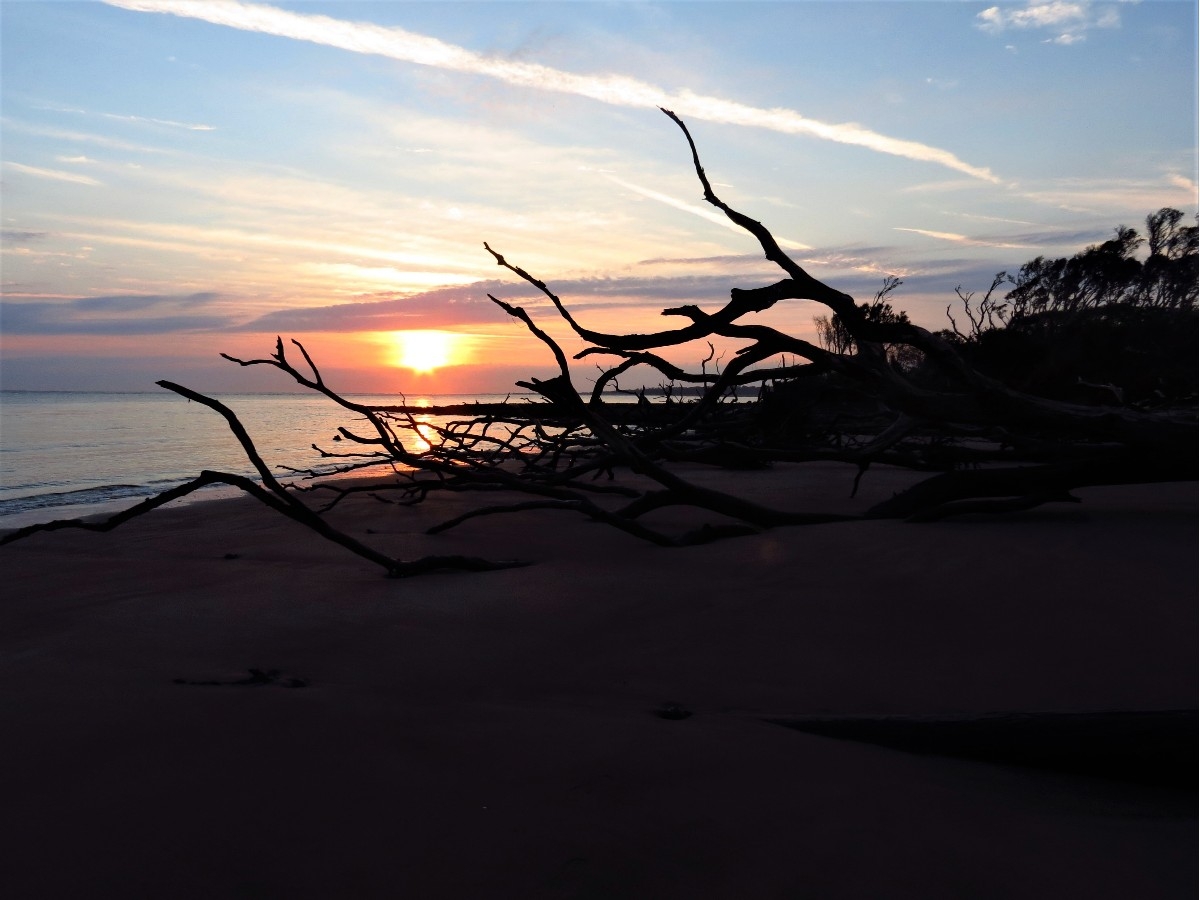
Visit The Bluffs and enjoy a picnic at one of the pavilions overlooking the water or take a quick stroll down the trail to Boneyard Beach. The unique beach is famous for the salt washed skeletons of live oak and cedar trees that once grew near the shore. While visiting this unique park, please take only photos. The use of a metal detector is prohibited in the park and removal of driftwood or artifacts from the park is also prohibited.
Wildlife Viewing
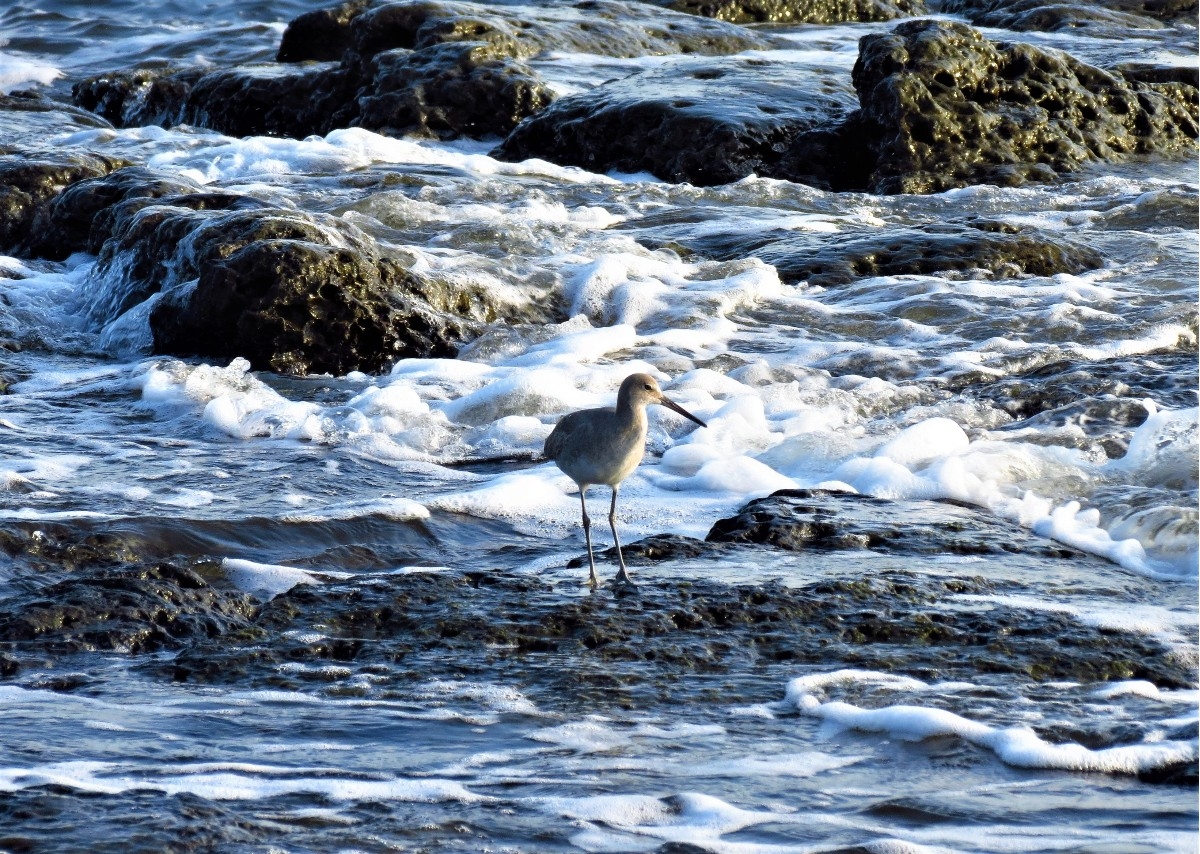
Big Talbot Island State Park is a great place for viewing shore birds and marsh birds. Along the beach you can see black skimmers, piping plovers, terns (including the threatened least tern), and brown pelicans. In the marshes you might find the endangered wood stork, egrets, herons, ibis and osprey. Venturing inland you might find barred owls, painted buntings, doves and woodpeckers.
The Talbot Islands have experienced over six thousand years of human activity and tens of thousands of years of natural forces. In 4000 B.C., when the earliest evidence for human occupation can be dated, the climate was much as it is today.
Inhabitants, known to scholars as the Archaic people, began to adapt to the marine environment and developed into what is now known as the St. Johns culture. Signs of this long-lasting culture are evident on Big Talbot Island. The St. John?s culture was still being practiced when the first Europeans arrived in the 1500?s.
The Europeans called the inhabitants of the area, the Timucua. This area was explored and settled by Spanish, French, and English people throughout 1500?s and 1600?s.
General James Oglethorpe, named the Talbot Islands in 1735 in honor of Charles Baron Talbot, the Lord High Chancellor of England. By the late 1700?s, all of Florida?s original inhabitants had died off from disease and warfare.
Starting during the brief British period (1763-83), and continuing through the Second Spanish period (1783-1821), the island was used for plantation agriculture. Oranges, sugar, indigo, and cotton were grown on the islands. Prominent planters of this period included Spicer Christopher, John Houston, John McQueen, and Zephaniah Kingsley.
In 1984 Big Talbot Island opened as a State Park. Today, the island attracts many visitors to its unique cultural and natural heritage.
- T Walker
Annual Entrance Passes can be purchased at all park ranger stations and museums. If you require immediate use of your pass, this is the best option. Passes can be purchased during regular business hours 365 days a year. Please call the park in advance to ensure availability. Those who are eligible for discounted or free passes may use this method to receive their pass. Annual Entrance Passes may be purchased online by visiting the
FLORIDA STATE PARKS ANNUAL ENTRANCE PASSES web page.


 Share Your Big Talbot Island State Park Photos (click here)